
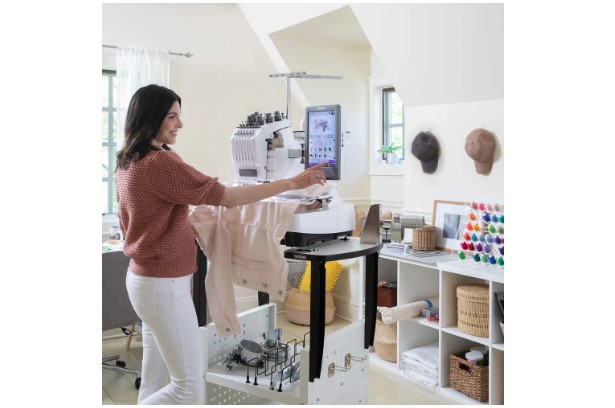
Thread breaks are one of the most common problems in machine embroidery. They can stop production, waste time, and ruin embroidery designs. Both beginners and experienced embroidery users face this issue from time to time.
Many embroidery users search for solutions to Embroidery Machine Thread Breaks because constant snapping can slow down work and damage fabric. Thread problems often happen because of poor machine setup, bad digitizing, wrong needles, or low-quality thread.
The good news is that most thread break problems can be fixed. Once you understand the main causes, it becomes much easier to improve embroidery quality and keep machines running smoothly.
In this guide, you will learn why embroidery threads snap, what causes these issues, and how to prevent them for cleaner and more professional embroidery results.
Why Thread Breaks Are A Big Problem
Embroidery machines work fast. When thread keeps breaking, production stops again and again.
This can cause:
- Delayed orders
- Wasted fabric
- Poor design quality
- Lost production time
- Frustrated customers
Frequent thread breaks also make embroidery look messy.
Good embroidery should run smoothly with very few interruptions.
Understanding How Embroidery Thread Works
Embroidery thread moves quickly through:
- The spool
- Thread guides
- Tension discs
- Needle eye
- Fabric
If any part of this process has a problem, the thread may snap.
Professional embroidery requires balance between:
- Thread
- Needle
- Fabric
- Machine speed
- Digitizing
When one part is wrong, thread problems often begin.
Poor Quality Thread Causes Breaks
Low-quality thread is one of the biggest causes of snapping.
Cheap Thread Frays Easily
Weak thread may:
- Break under speed
- Create lint
- Tangle often
Good thread is smoother and stronger.
Old Thread Becomes Weak
Thread that sits too long may dry out or weaken.
Old thread may:
- Snap easily
- Lose strength
- Create uneven stitching
Always store thread properly in a clean and dry place.
Wrong Needle Choice Creates Problems
The needle plays a very important role in embroidery quality.
Damaged Needles Break Thread
Bent or dull needles can:
- Cut thread
- Fray thread
- Damage fabric
Changing needles regularly helps prevent problems.
Wrong Needle Size
Different fabrics need different needle sizes.
Using the wrong needle may:
- Stress the thread
- Create friction
- Cause thread snapping
Professional embroiderers match the needle to the fabric and thread type.
Incorrect Thread Tension
Thread tension controls how tightly the thread moves through the machine.
High Tension Problems
Too much tension may:
- Pull thread too hard
- Cause snapping
- Damage stitches
Low Tension Problems
Loose tension may:
- Create loops
- Cause uneven stitching
- Tangle thread
Balanced tension helps embroidery run smoothly.
Poor Digitizing Creates Thread Breaks
Bad embroidery files often create stitching problems.
Too Many Stitches
Heavy stitch density may:
- Stress the thread
- Overwork the machine
- Cause thread snapping
Good digitizing keeps stitch counts balanced.
Poor Stitch Paths
Bad stitch direction can create:
- Sharp thread turns
- Excess friction
- Uneven stitching
Professional digitizing helps embroidery run more smoothly.
At Digitizing Buddy, embroidery files are carefully created to help reduce production problems like thread breaks and uneven stitching.
Machine Speed Can Affect Thread
Running embroidery machines too fast may create problems.
High Speed Creates More Stress
Very fast stitching can:
- Heat the needle
- Increase friction
- Pull thread harder
Slowing down slightly often improves embroidery quality.
Beginners Should Start Slower
New embroidery users should avoid maximum machine speed at first.
Slower stitching helps:
- Reduce mistakes
- Improve control
- Prevent thread damage
Fabric Type Matters
Different fabrics react differently during embroidery.
Thick Fabrics
Heavy materials may:
- Increase needle friction
- Stress thread
- Slow stitching movement
Stretch Fabrics
Stretch materials can move during stitching.
Movement may:
- Pull thread unevenly
- Cause skipped stitches
- Create thread breaks
Proper stabilizers help reduce fabric movement.
Stabilizer Problems Can Lead To Snapping
Stabilizers support fabric during embroidery.
Without proper support:
- Fabric shifts
- Stitches pull unevenly
- Thread stress increases
Common Stabilizer Types
Cut-Away Stabilizer
Best for:
- Stretch fabrics
- Dense embroidery
Tear-Away Stabilizer
Good for:
- Stable fabrics
- Simple designs
Water-Soluble Stabilizer
Used for:
- Towels
- Lace
- Delicate fabrics
Choosing the right stabilizer improves stitch quality and reduces thread stress.
Needle Heat Can Damage Thread
Fast embroidery creates heat.
Heat Weakens Thread
When the needle becomes hot:
- Thread may dry out
- Fibers weaken
- Breaks happen more often
This problem becomes worse during dense embroidery designs.
Use The Correct Needle Type
Some needles are made to reduce heat and friction.
Sharp and fresh needles help thread move more smoothly.
Dust And Lint Build-Up Cause Problems
Embroidery machines collect dust and thread lint over time.
Dirty Machines Affect Thread Flow
Lint buildup can:
- Block thread movement
- Increase friction
- Create uneven tension
Cleaning the machine regularly helps prevent thread problems.
Small Cleaning Habits Help
Professional embroiderers often:
- Brush lint daily
- Oil machines properly
- Clean bobbin areas
Simple maintenance improves machine performance greatly.
Bobbin Problems Can Cause Thread Snapping
The bobbin works together with the top thread.
Poor Bobbin Setup
Wrong bobbin tension may:
- Pull stitches unevenly
- Create loops
- Stress the top thread
Low-Quality Bobbin Thread
Cheap bobbin thread may:
- Break easily
- Create tension problems
- Reduce stitch quality
Good bobbin thread helps maintain smooth embroidery.
Thread Path Mistakes
Incorrect threading is another common problem.
Wrong Thread Routing
If the thread misses:
- Guides
- Tension discs
- Thread arms
the embroidery machine may not control tension properly.
Re-Threading Often Solves Problems
Sometimes simple re-threading fixes:
- Snapping
- Looping
- Uneven stitching
Always follow the machine threading guide carefully.
Hoop Problems Affect Embroidery Quality
Loose hooping may cause fabric movement.
Fabric Movement Creates Stress
If fabric shifts:
- Stitches pull unevenly
- Thread tension changes
- Snapping becomes more likely
Proper hooping keeps the fabric stable.
Avoid Over-Tight Hooping
Very tight hooping may stretch the fabric too much.
Balanced hoop tension works best.
Environmental Conditions Matter
Thread can react to heat and moisture.
Dry Air Can Weaken Thread
Very dry conditions may:
- Make thread brittle
- Increase static
- Cause snapping
Proper Storage Helps
Store thread:
- Away from direct sunlight
- In cool areas
- In dry conditions
Good storage helps thread last longer.
Why Experience Helps Prevent Thread Breaks
Experienced embroidery operators notice small warning signs early.
They understand:
- Machine sounds
- Stitch movement
- Thread tension changes
- Fabric behavior
This helps them fix problems before major damage happens.
Experience improves embroidery quality over time.
Digitizing Buddy supports embroidery businesses with clean and machine-ready embroidery files designed to help improve stitching performance.
Manual Digitizing Helps Reduce Problems
Manual digitizing gives better control over embroidery quality.
Better Stitch Planning
Professional digitizers carefully plan:
- Stitch direction
- Density
- Underlay
- Stitch paths
This reduces stress on thread and fabric.
Auto Digitizing Often Creates Problems
Automatic digitizing software may create:
- Heavy stitch areas
- Sharp turns
- Poor stitch flow
These issues increase the chance of thread snapping.
Common Beginner Mistakes
Many new embroidery users make simple mistakes.
Using Cheap Supplies
Low-cost thread and needles often create more problems.
Ignoring Machine Maintenance
Dirty machines perform poorly over time.
Skipping Test Stitches
Testing helps find issues before full production starts.
Running Machines Too Fast
Beginners often use high speed too early.
Slower speeds help improve control and reduce thread stress.
Tips To Prevent Embroidery Thread Breaks
Here are simple ways to reduce thread problems.
Use Quality Thread
Good thread runs smoother and breaks less often.
Replace Needles Often
Fresh needles improve stitch quality.
Clean Machines Regularly
Daily cleaning helps prevent lint buildup.
Test Designs Before Production
Testing helps catch digitizing and tension problems early.
Use Proper Stabilizers
Correct stabilizers improve fabric support.
Slow Down The Machine
Slightly slower speeds often reduce thread snapping.
Signs Of Healthy Embroidery Performance
A well-running embroidery machine should:
- Stitch smoothly
- Create clean designs
- Avoid frequent thread breaks
- Maintain balanced tension
If thread snapping happens too often, something likely needs adjustment.
Final Thoughts
Embroidery thread snapping is a common problem, but most causes can be fixed with proper care and setup. Good thread, clean machines, proper needles, and quality digitizing all work together to improve embroidery performance.
Small details matter in embroidery. Balanced tension, proper stabilizers, and regular machine cleaning can greatly reduce thread break problems and improve design quality.
Experience also plays a big role. Skilled embroiderers understand how fabric, thread, needles, and machines work together during stitching. This knowledge helps prevent many common embroidery issues before they become serious problems.
With the right habits and proper embroidery setup, machines can run more smoothly and create cleaner, more professional embroidery results.