
The Illusion of Free Entertainment
Many people are drawn to casinos by the allure of free entertainment options, such as live shows, comedy acts, or other performances. However, the reality is that while these events may be advertised as complimentary, hidden costs often lurk beneath the surface. For instance, attendees may feel compelled to drive purchase drinks or food, leading to expenditures that can quickly add up. Additionally, a sense of obligation to tip performers or staff can further inflate what initially appeared to be a free outing.
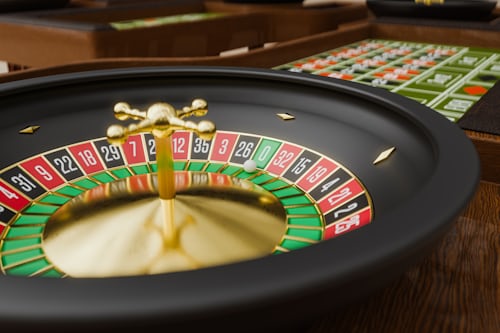
Moreover, casinos frequently use these entertainment offerings as a way to entice guests to stay longer and gamble more. The more time spent in the casino, the greater the likelihood of making additional bets, which can exacerbate the overall financial impact of the visit. Patrons might find themselves losing track of their spending while enjoying a show, ultimately resulting in higher losses than they anticipated. This deceptive illusion of free entertainment can lead to a false sense of value and security.
Lastly, the cost of getting to a casino should not be overlooked. Traveling to these venues, whether by car, taxi, or ride-sharing service, incurs expenses that can further eat into the budget. As visitors calculate the expenses associated with their trip, they must also factor in parking fees if applicable. These additional costs contribute to an overall financial scenario that often exceeds the budget set for a night out, showcasing the hidden expenses of what appears to be a simple entertainment choice.
Impulsive Gambling and Its Consequences
Casinos are cleverly designed to encourage impulsive gambling behavior, which can lead to significant hidden costs. Once patrons enter the gaming floor, they are often met with flashing lights, enticing sounds, and a general atmosphere that promotes excitement. This sensory overload can impair judgment and lead to rash decisions, as individuals may gamble far beyond their initial limit. The allure of a potential win can overshadow the reality of the risks involved, causing players to lose track of time and money.
Moreover, many casinos implement loyalty programs that reward frequent play with bonuses or perks. While these programs may seem beneficial, they can also encourage gambling beyond a budgetary limit, as individuals chase rewards that may never fully compensate for their losses. The psychology of rewards can be a double-edged sword, leading to increased spending in pursuit of complementary benefits that often remain elusive. This cycle of chasing losses can create a significant financial strain over time.
Additionally, the impact of impulsive gambling extends beyond the immediate financial costs. The emotional toll associated with gambling losses can lead to feelings of guilt, anxiety, and stress. These negative emotions may drive individuals to gamble more in an attempt to recoup their losses, perpetuating a dangerous cycle that can lead to serious financial consequences. Understanding the hidden costs of impulsive gambling is essential for maintaining a healthy relationship with casino entertainment.
The Price of Dining and Refreshments
Dining options within casinos are often marketed as luxurious but can come with high price tags that contribute to hidden costs. Patrons may find themselves enticed by gourmet restaurants or buffets, where the cost of food can easily surpass expectations. High demand for these premium dining experiences can lead to inflated prices, particularly during peak hours or special events. Even casual dining venues may charge more than standard restaurants, adding to the total expense of a night out.
Additionally, alcoholic beverages are a substantial source of hidden costs in a casino setting. While some establishments may offer complimentary drinks to gamblers, the price of such drinks outside of the gaming area can be quite steep. The temptation to indulge may lead patrons to order several drinks, further inflating their overall spending. Factors such as tipping on top of the drink prices can also add another layer of expense, creating a scenario where patrons overspend without fully realizing it.
The social aspect of dining and drinking in a casino can also lead to unplanned expenditures. Friends and fellow diners may encourage additional purchases—such as desserts or extra rounds of drinks—which can turn an otherwise manageable outing into an expensive affair. The overall atmosphere, combined with the excitement of the casino, can easily lead to overspending on food and drinks, highlighting yet another hidden cost of enjoying casino entertainment.
The Psychological Cost of Gambling
The psychological effects of gambling can incur hidden costs that are often overlooked. Casino environments are designed to be immersive and thrilling, which can create an addictive experience for some individuals. The excitement of winning can lead to a rush of adrenaline, but it can also cause a person to chase their losses or continue playing beyond their means. This psychological struggle can translate into feelings of despair when losses accumulate, affecting mental well-being.
Furthermore, the stress associated with gambling can manifest in various ways, including anxiety and depression. Individuals may find themselves preoccupied with thoughts of winning back lost money or feeling ashamed about their gambling behavior. This mental burden can impact personal relationships, work performance, and overall quality of life. The hidden psychological costs can linger long after the gambling sessions have ended, leading to long-term consequences that extend well beyond financial loss.
Support systems and psychological resources for those affected by gambling issues are vital yet often underutilized. Many individuals may hesitate to seek help due to stigma or a lack of awareness about available resources. The expenses associated with therapy or support groups can further complicate the situation, exacerbating feelings of isolation. Recognizing the psychological costs of gambling is essential for fostering a healthy outlook and ensuring that individuals can enjoy casino entertainment responsibly.
Understanding and Budgeting for Casino Visits
When considering a visit to a casino, it’s crucial to develop a comprehensive understanding of the potential hidden costs involved. This means not only planning for gaming expenses but also factoring in dining, transportation, and entertainment. Establishing a clear budget before heading to the casino can help mitigate unexpected costs and promote responsible spending. Setting limits on gambling, meals, and other expenses can create a more enjoyable experience without the risk of overindulgence.
Moreover, being mindful of the psychological aspects of gambling can lead to healthier decision-making. Recognizing the triggers that promote impulsive behavior—be it the excitement of winning or social pressure—can empower individuals to maintain control. It may also be beneficial to engage in self-reflection after each visit to evaluate spending patterns and emotional responses. This practice can enhance awareness and prevent future overspending.
Resources such as budgeting tools and apps can assist individuals in managing their casino entertainment expenses more effectively. By tracking spending and evaluating habits, one can develop a sustainable approach to enjoying casino entertainment. This proactive strategy can significantly reduce the risk of unintended financial strain, allowing for a more enjoyable and responsible experience in the casino environment.