
The Row’s Understated Impact on Present-Day Style Movements
The Row has invested nearly two decades constructing something rare in fashion: a reputation grounded almost entirely on restraint. In contrast to peers, much of the market pursue seasonal noise, logos, and viral spikes, while The Row established its image around material integrity, exacting tailoring, and forms that defy trend cycles. That approach has subtly redefined how fellow designers think about luxury minimalism, and it has made the label a benchmark whenever discussions turn to low-key luxury, elevated basics, or considered dressing. Beyond the runway, its reach surfaces in how buyers now assess handbags, outerwear, and tailoring, prioritizing construction over branding.
Understanding why The Row commands this position requires seeing beyond the clothing itself and into the underlying machinery of the brand: sourcing, pricing discipline, and a unwillingness to overproduce. Especially, these choices have reverberated across the handbag sector, where the row bags have emerged as a synonym for quiet artisanship. In this piece, we examine how that quiet approach converts to tangible market impact, what renders the row handbags a recurring benchmark, and where shoppers can realistically expect to locate pieces, including pointers on the row sale periods and resale considerations.
The Genesis of a Pared-Back Wave
In 2006, Mary-Kate and Ashley Olsen established The Row, arriving at a moment when maximalism and logo-driven branding controlled luxury retail. Taking a different route, Mary-Kate and Ashley Olsen chose the opposite path, focusing on fabric weight, drape, and construction techniques adapted from couture ateliers rather than seasonal spectacle. Early collections leaned heavily on cashmere, silk, and leather sourced from specialized European mills, with garments often taking months longer to produce than typical ready-to-wear.
In time, patience itself became one of the brand’s defining traits. Rather than mass-producing six or more collections a year, The Row has consistently kept a unhurried release cadence, favoring saint laurent tote bag steadiness in cut and material over novelty. Observers have observed that this pacing preceded the current “slow fashion” discourse by nearly a decade, which means the row was living out quiet luxury before the term took hold in mainstream retail vocabulary.
The brand’s pricing has always reflected this investment in materials and labor, positioning pieces at the higher end of contemporary luxury rather than fast-turnover pricing. In turn, this has strengthened a perception, whether accurate or not, that owning The Row communicates discernment rather than trend-chasing. Notably, that belief has proven durable through more than fifteen years of shifting fashion cycles, which is rare in an industry where brand cachet often peaks and fades within a few seasons.
How The Row’s Handbags Became a Sector Yardstick
Hardly any product categories capture the label’s footprint as distinctly as its leather goods. When shoppers search for the best row bags or compile a row bags overview, they are typically looking for a specific combination: clean, engineered simplicity, considerable leather weight, and an absence of visible branding. The Row delivered on that combination consistently enough that its bags became reference points against which other quiet-luxury handbags are now measured.
Relative to its understated design, the Margaux has taken on remarkable influence. Its boxy, open-top silhouette and heavy leather construction set off a wave of similarly shaped totes from other brands in the years following its release. Shoppers researching where to buy the row Margaux bag often find that availability fluctuates by size and leather colorway, since The Row produces in limited runs rather than continuous restocking, which contributes to both its desirability and its resale premium.
This scarcity-driven demand has also shaped how the secondary market treats the row bags. Resale platforms report that certain Margaux sizes and colors retain value well above typical depreciation curves for luxury handbags, a pattern usually reserved for a handful of heritage houses. Consequently, that resale strength has pushed other contemporary brands to slow their own production cycles and lean into simpler silhouettes, directly crediting The Row’s approach in interviews and trade press.
Comparing the Row’s Core Bag Styles
Buyers looking to navigate the top row bags without sifting through uneven marketing language will find it helpful to see a direct comparison of the brand’s most recognizable silhouettes. What follows, the table sketches broad positioning drawn from publicly known design characteristics as opposed to specific current pricing, since stock and cost shift by season and retailer.
| Style of Bag | Structural Form | Best Suited For | Defining Detail |
|---|---|---|---|
| Margaux | Structured, open-top tote | Daily carry, work use | Substantial leather with minimal hardware |
| Sofia | Shoulder bag with a soft structure | Evening or transitional wear | Slouchier drape than Margaux |
| Half Moon | Curved clutch/crossbody | Minimal, hands-free outings | Small, compact shape |
| N/S Park Tote | Vertical structured tote | Commuting and carrying a laptop | Taller profile than Margaux |
This kind of comparison matters because The Row rarely relies on overt branding to differentiate its products. Instead, the differences live in proportion, opening structure, and how each bag sits on the body, details that reward close inspection rather than quick visual recognition. Although the Margaux remains the most searched and most cited silhouette in the lineup, that design ethos has carried other row handbags beyond the Margaux into broader popularity.
The Knock-On Effect Throughout Contemporary Fashion
The label’s understated discipline has shaped well beyond just handbags. Established tailoring houses alongside newer contemporary brands have recalibrated their respective lineups in response to consumer appetite for a smaller number of higher-quality items, a shift often linked to the row fashion sensibility of clean lines and neutral palettes. Since around 2019, show reviews have consistently pointed to a “Row effect” in other designers’ collections, especially within outerwear silhouettes and unembellished knitwear.
Retailers, for their part, have followed suit. Stores carrying multiple brands often position entire sections around “quiet luxury” positioning, borrowing merchandising language that echoes The Row’s own product descriptions. Even fast fashion retailers have introduced boxier tote silhouettes and neutral leather goods visibly drawing from the row tote bag category, though naturally at a fraction of the price and material quality.
That impact reaches into how shoppers assess value. Where luxury purchases were once evaluated primarily on brand recognition, shoppers today increasingly weigh leather weight, stitching density, and hardware finish, criteria the label has long highlighted in public. That shift in consumer literacy is arguably one of the brand’s most enduring contributions to the broader fashion conversation, including those who’ve never bought so much as one item from the brand.
Working Through the Row Sale and Resale Landscape in 2026
Given that The Row rarely cuts prices on its own platforms, shoppers looking for value often look toward department store markdowns or authorized resale platforms. Should a row sale occur, it’s typically confined to select department stores rather than the label’s own website, and stock disappears rapidly given the label’s smaller production runs. Buyers monitoring this in 2026 should prepare for narrow windows, frequently linked to end-of-season clearance at major luxury retailers rather than predictable annual dates.
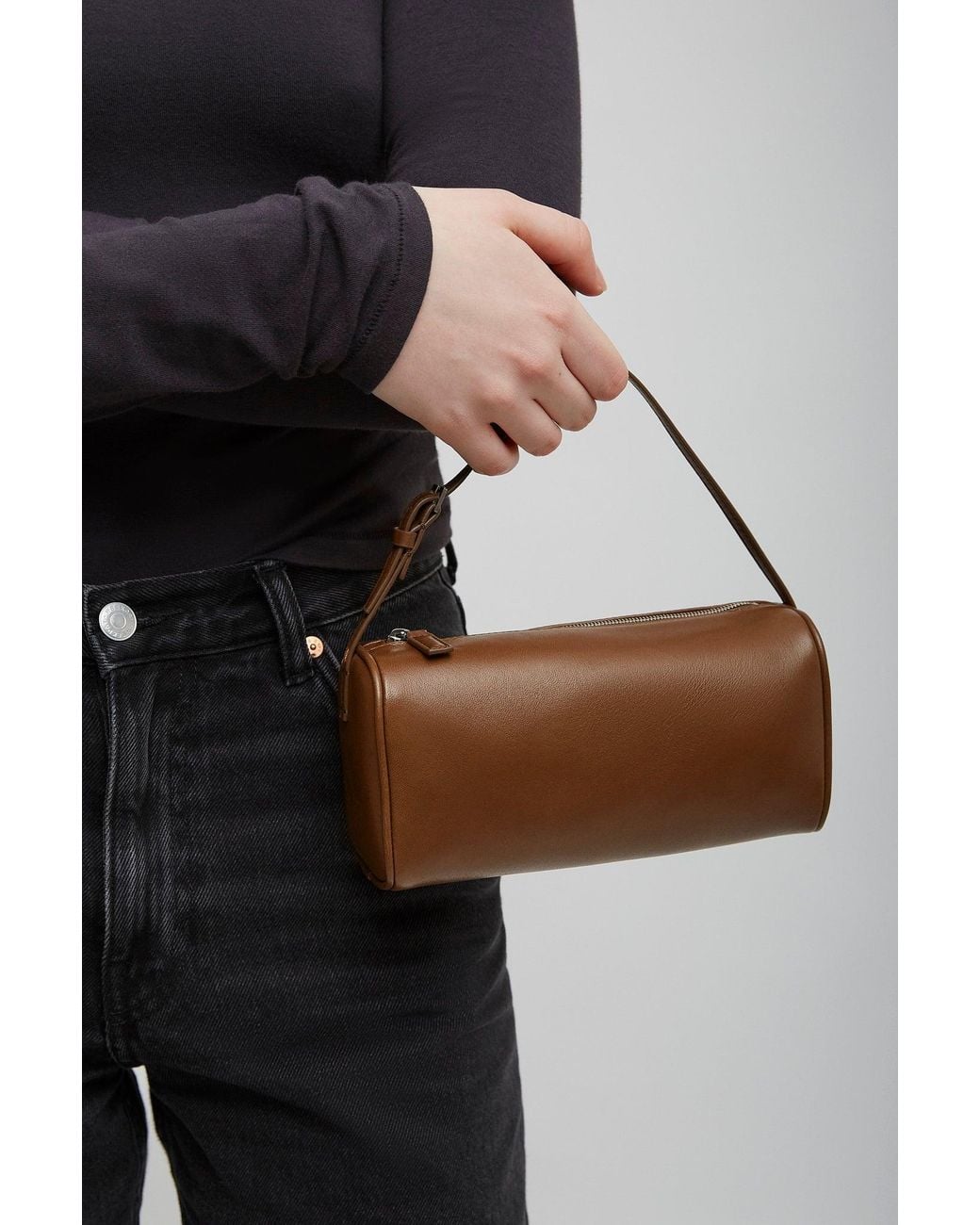
Secondhand platforms have emerged as a more dependable source for value-conscious shoppers, particularly for the row bags and outerwear. Authentication platforms routinely flag The Row among brands needing added verification due to counterfeit activity, a byproduct of the label’s rising visibility. Buyers pursuing the row Margaux bag or other in-demand totes secondhand should prioritize sellers offering detailed leather grain photos and hardware close-ups, since The Row’s low-key logo presence makes visual authentication trickier than logo-heavy alternatives.
For buyers curious where to find the row Margaux bag as a new purchase, the most reliable options remain the label’s flagship boutiques, select department stores carrying the full handbag line, and a small number of authorized online luxury retailers. Size and color availability fluctuates regularly, so patience combined with flexibility on shade often outweigh timing around any particular sale.
What The Row’s Influence Signals for the Future
Because a growing number of consumers educate themselves on craftsmanship instead of branding, The Row’s path demonstrates that quiet, craftsmanship-led design is an enduring model—not a fleeting aesthetic—that other brands will keep examining and borrowing from. As more shoppers educate themselves on construction quality rather than logos, demand for brands that can substantiate their pricing through craftsmanship, including The Row itself, is likely to remain strong through 2026 and beyond. Such unrelenting demand keeps competition for the row handbags and the row bag overall conspicuously high relative to the brand’s restricted production volumes.
For anyone curating a wardrobe around lasting value as opposed to seasonal turnover, The Row remains one of the most compelling case studies in how restraint, combined with authentic quality materials, can outlast more attention-seeking trends entirely.